




Unforgettable Pokhara Tour
Everything from flight to hotel was exceptional.
Sarah Jenkins
United Kingdom

 2 Nights 3 Days
 TOUR
Please note: These are the hotels where your accommodations have been arranged to ensure a comfortable stay.
Please note: Your flights will be booked on this route, which has daily availability, and your accommodations have been arranged at these hotels for a comfortable stay.


After flying from Kathmandu, at Pokhara Airport gate Hotel Vehicle will be waiting for the guest.
After reaching Pokhara, the guest will have their own time to roam around the city and lakeside.
Overnight Stay at the hotel.
This two-day retreat is suitable for anyone who wishes to experience the benefits of yoga and meditation but has a limited amount of time.
Early morning wake up and do your lavish Breakfast at the Hotel.
After Breakfast, you have free time to see various places or Tal Barahi darshan with boating costs on your own.
Overnight Stay at the hotel.
Besides teaching traditional physical practice of yoga, we also explore other forms of yoga practice like Nada Yoga – healing sound, Bhakti Yoga – chanting mantras, Yoga Nidra – guided relaxation, or yogic sleep, which all bring more inner understanding and depth to our daily practice.
Early morning wake up and do your lavish Breakfast at the Hotel.
Pick up from Hotel and Drop to Pokhara Airport.
Fly back to Kathmandu from Pokhara.
A valid passport is required to travel internationally.
Passport must have a minimum of 6 months validity remaining to travel.
All foreign nationals (except Indian passport holders) require a visa to enter Nepal. In the arrivals hall, electronic kiosks that read passport, take photo, and print out a completed form. Take completed form to the payment counter many pay visa fee and obtain “Visa on Arrival” Other currencies are also accepted although rates may differ. The following were the costs on the time of writing:
Multi-entry visa valid for 15 days - US$30
Multi-entry visa valid for 30 days - US$50
Multi-entry visa valid for 90 days - US$125
Your visa application form may require you to state the dates on which you enter and exit that country.
Traveler must be physically and mentally fit for the travelling.
Vaccination Policy
All travelers on Nepal trips are recommended to take vaccination as suggested by their respective doctor.
IR POLLUTION:
Air quality in Kathmandu can be poor, especially in the winter. Seek medical advice if you're concerned about the effects of air pollution.
MOSQUITO-BORNE ILLNESSES:
Malaria and Dengue fever are a risk in various parts of Nepal. Mostly, during the monsoon season. Protect yourself against insect bites by wearing clothing that covers as much skin as possible, including repellent while sleeping under a net.
MEDICAL FACILITIES AND TREATMENT:
Access to medical care in some areas may be limited. Healthcare in Kathmandu generally meets international standards but healthcare throughout the rest of the country may be inadequate. Ensure that you have accessible funds to cover upfront fees and adequate travel health insurance, including evacuation. Hospitals in Nepal typically require upfront payment in cash or credit card, regardless of if you have travel health insurance.
FOOD IN NEPAL:
In Kathmandu and Pokhara there are plenty of restaurants and cafes for all tastes and budgets. Nepal caters very well to vegetarians and vegans with almost all restaurants having a veg section on the menu.
LUGGAGE LIMITS:
Domestic flights in Nepal have weight limits - 15kg of check-in luggage and 5kg of carry-on hand luggage per person is included with your flight ticket. Excess baggage will be charged at your own expense.
ROAD TRAVEL:
Roads are very narrow particularly in the hilly region and may have traffic conjunction; however, drivers are experienced and are very acquaint with the condition of the road.
MONSOON:
The monsoon season is from June to September, and weather conditions can disrupt travel during this time due to flooding and landslides. Disruption of air travel and airport closures are also possible. Be prepared that the itinerary may need to change at short notice.
INTERNAL FLIGHTS:
We use the safest Airlines only and customers are updated about any delay or any upcoming eventuality like weather etc timely.
Nepali rupee (NPR) is used in Nepal. ATMs can only be found in the big cities. Carry sufficient cash to cover the needs when traveling outside of these cities. Money exchange facilities are available in Kathmandu, Namche, Pokhara, Chitwan (only outside the park), and Bhaktapur. Credit cards are not widely accepted.
The suggested checklist of the items in the packing bag;
Travel documents: passport, visa (if required), travel insurance, air tickets or e-ticket receipts, trip notes
Photocopy of main passport pages, visa (if required), travel insurance, and air tickets
Spare passport photos
Money: cash/credit card/EFTPOS card
Money belt
Small padlocks
Personal first-aid kit
Watch/alarm clock and torch/flashlight (and spare batteries)
Electrical adapter plug
Toiletries/roll of toilet paper/travel wipes
Insect repellent
Sunscreen, lip balm, sunhat, and sunglasses
Earplugs and eye mask (for light sleepers)
Extra pair of prescription glasses (if required)
2 strong plastic garbage bags (for laundry and in case of rain)
Refillable water bottle
Warm clothes - when traveling in cooler climates
Wind and waterproof jacket
Comfortable and sturdy walking shoes with good walking socks
Camera/phone (with charger)
During the winter months, December to February, it will be chilly and possibly foggy in the early mornings, with temperatures dropping down to a minimum of around 0ºC on some days. A warm, windproof jacket will be required.
Nepal's climate varies greatly depending on the season:
JUN - SEP: the monsoon rains (mostly at night) bring landslides in regional areas. Cloud cover often obscures mountain views with rain, mud, and leeches deterring most trekkers at this time of year. Treks running in September can be hot and very humid at lower altitudes.
MAR-APR: Spring brings warm weather and spectacular rhododendron blooms. A popular time to visit and one of the peak times to trek.
OCT - NOV: Clear skies and warm days make autumn the peak season.
DEC - FEB: Winter brings cold temperatures and snow to the mountains. Good trekking, but remember to rug up.
Hotels in Kathmandu generally have excellent WiFi connections. Most hotels offer free WiFi in public areas, with some also offering in-room WIFI, sometimes for an additional fee.
We recommend to check your government's advice for their latest travel information before departure and ensure that travel insurance covers you for all destinations and activities on the trip. One can use of a neck wallet or money belt while traveling, for the safe-keeping of your passport, flight tickets, cash, and other valuable items.
Strikes :
Strikes happen on a very frequent basis in Nepal. Most, but not all, of the recent strikes are political in nature and are generally called for the night before with little or no warning. If you arrive as a tourist during a busy political time of year there's a strong chance you might not be able to travel the country as much as you would normally.
INSURANCE:
Travel protection is highly recommended to protect your travel investment from unforeseen circumstances that may occur during or before your trip. Make sure your insurance covers you for your intended activities, including travel and trekking above 3000m if this is included on your itinerary, mountain rescue services, and helicopter evacuation costs.
FESTIVALS:
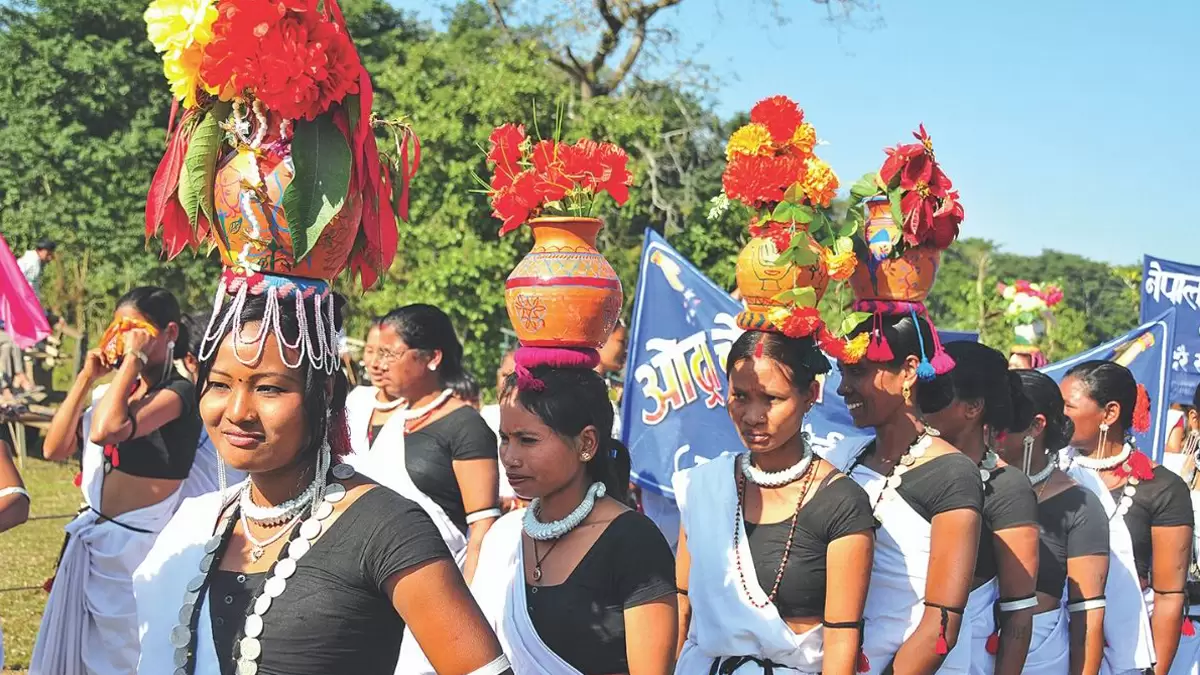
The weather is not the only factor when thinking about when to go to Nepal. This Himalayan nation has a rich history, which can be discovered through its festivals. Nepal’s festival calendar fills every month of the year with colorful celebrations that offer interesting insights into the local culture. Stumbling onto a local festival may prove to be the highlight of your travels in Nepal – and given the sheer number of them, you’d be unlucky not to. Festivals may be Hindu, Buddhist, animist, or a mix of all three. Traveling in Nepal during Holi Festival (28-29 March 2021, 27-28 March 2022), can at times be dangerous due to revelers consuming intoxicating substances. The day is often associated with physical violence and danger. Traveling during the Hindu festival Diwali (4 November 2021, 24 November 2022) can also be dangerous. During this time there are many displays of fireworks in the streets. It can be very noisy for several days and there is also a lot of pollution caused by the fireworks.
Some culture shocks that travelers might find while traveling in Nepal are:
Using water and your hands, not toilet paper, is considered much cleaner than using toilet paper.
There is a number of homeless beggars and slums in Nepal. There are piles of the garbage next to rivers, people sleeping in gutters, and meat being butchered on a tarp next to the street.
People offering a taxi ride or a cheap hotel.
Face delays almost in all activities. There is even a phrase “Nepali Time” which is used sarcastically to point out delays in activities.
Guys holding hands when they are walking down the street. Guys holding hands in Nepal is a sign of a good friendship and brotherhood.
Pretending as a local guide and asking for money.
Everything from flight to hotel was exceptional.
Sarah Jenkins
United Kingdom
 LUXURY
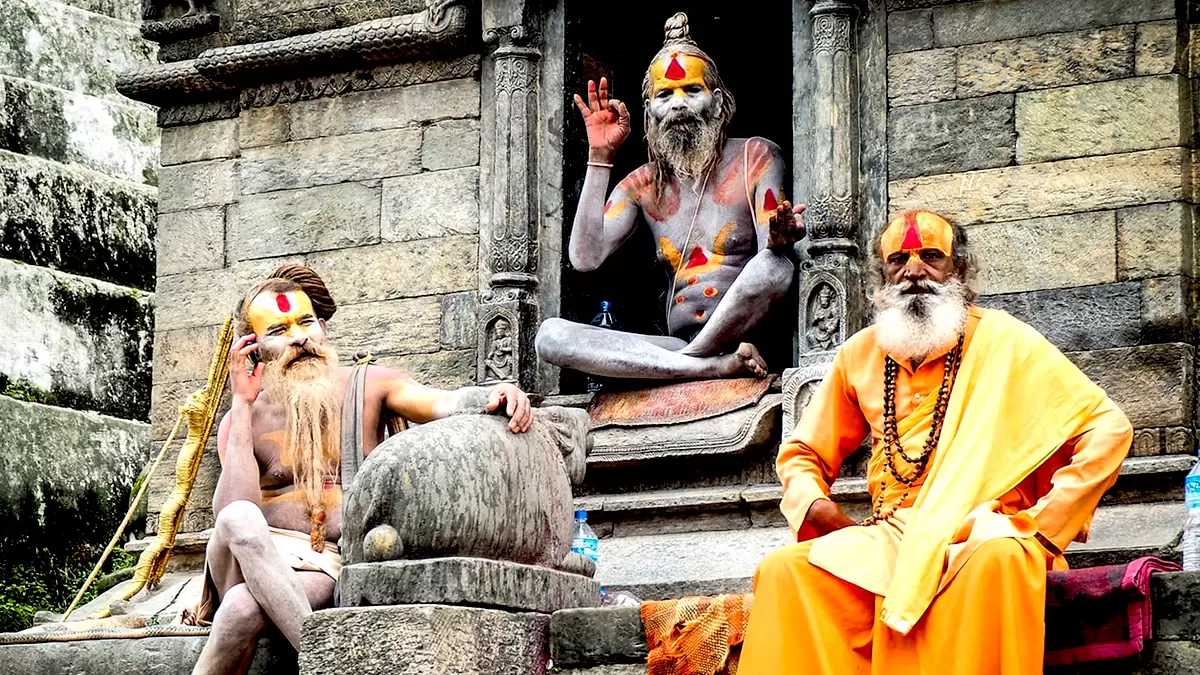
It's a 3 Night 4 Days tour of the capital of Nepal. Its city break including all the UNESCO site of Kathmandu.
 LUXURY
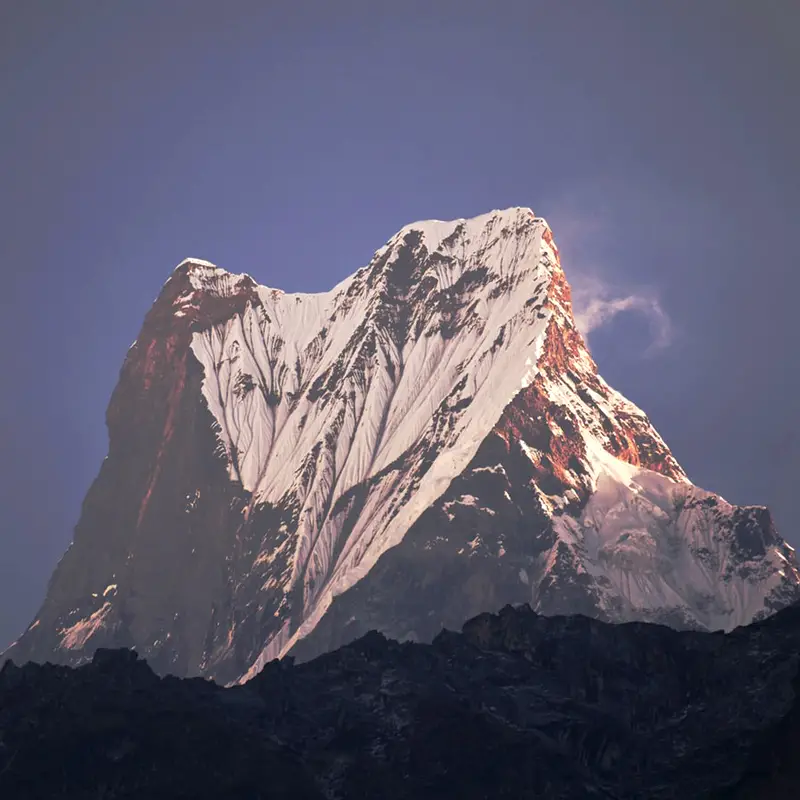
Its a 4 Night 5 Days tour around enchanting Pokhara and Kathmandu. Staying 2 nights each in both cities gives the cultural as well as scenic view of lakes and mountains of Nepal.
 10% OFF
LOCAL EXPERIENCE
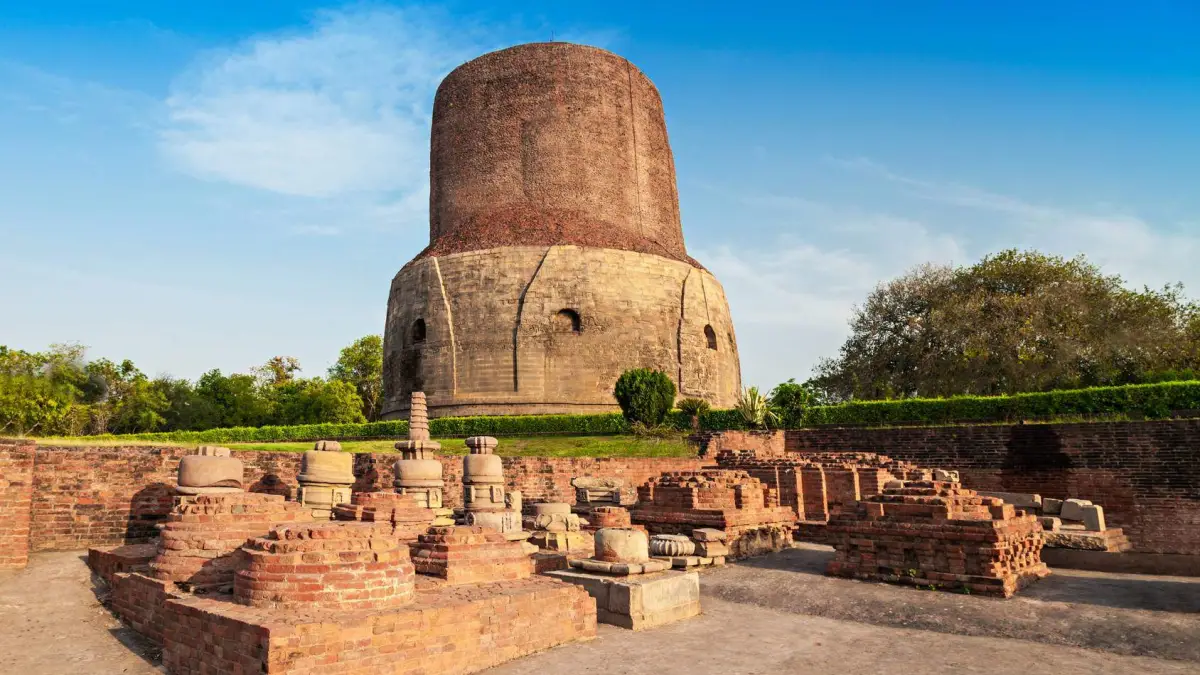
It's a 3 nights 4 days Tour around Varanasi and Sarnath. Regarded as the spiritual capital of India, the city draws Hindu pilgrims who bathe in the Ganges River’s sacred waters and perform various rituals.
 LOCAL EXPERIENCE
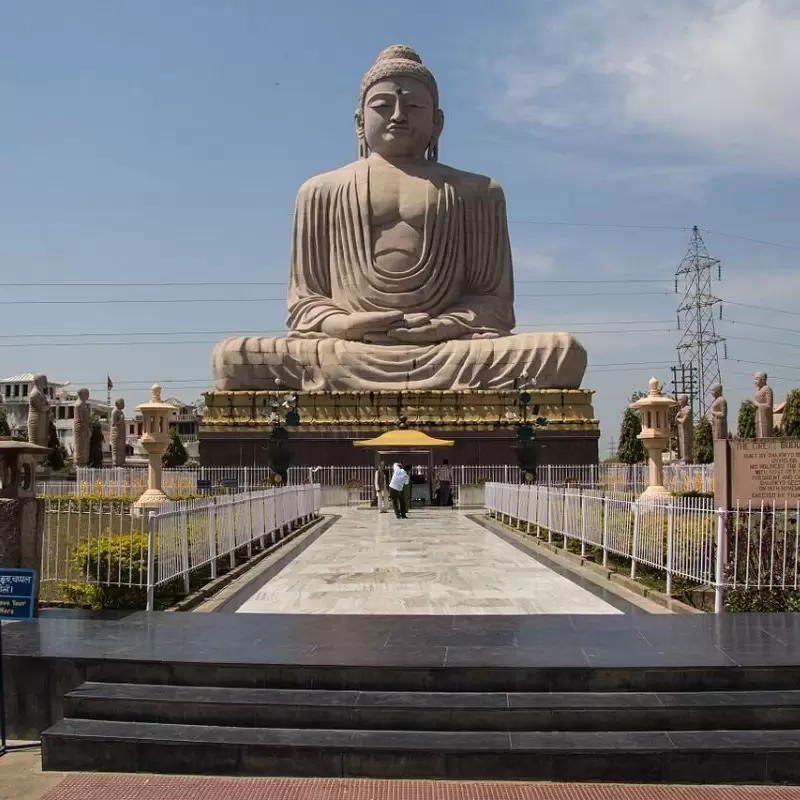
It's a 4 nights 5 days Tour around Varanasi , Gaya and Bodhgaya. This package is a mixture of Hindu and Buddhist culture.
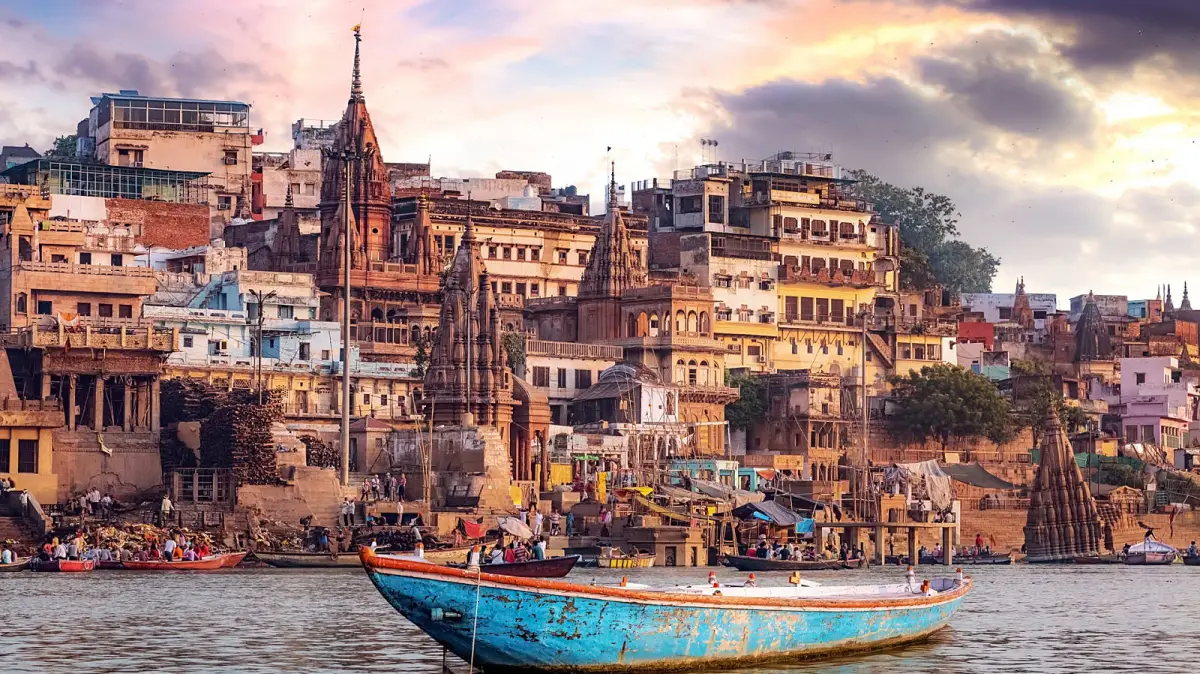 LOCAL EXPERIENCE
Its a 3 Nights and 4 Days Tour in two different cities of India, focusing both Buddhist and Hindu people all around the globe.
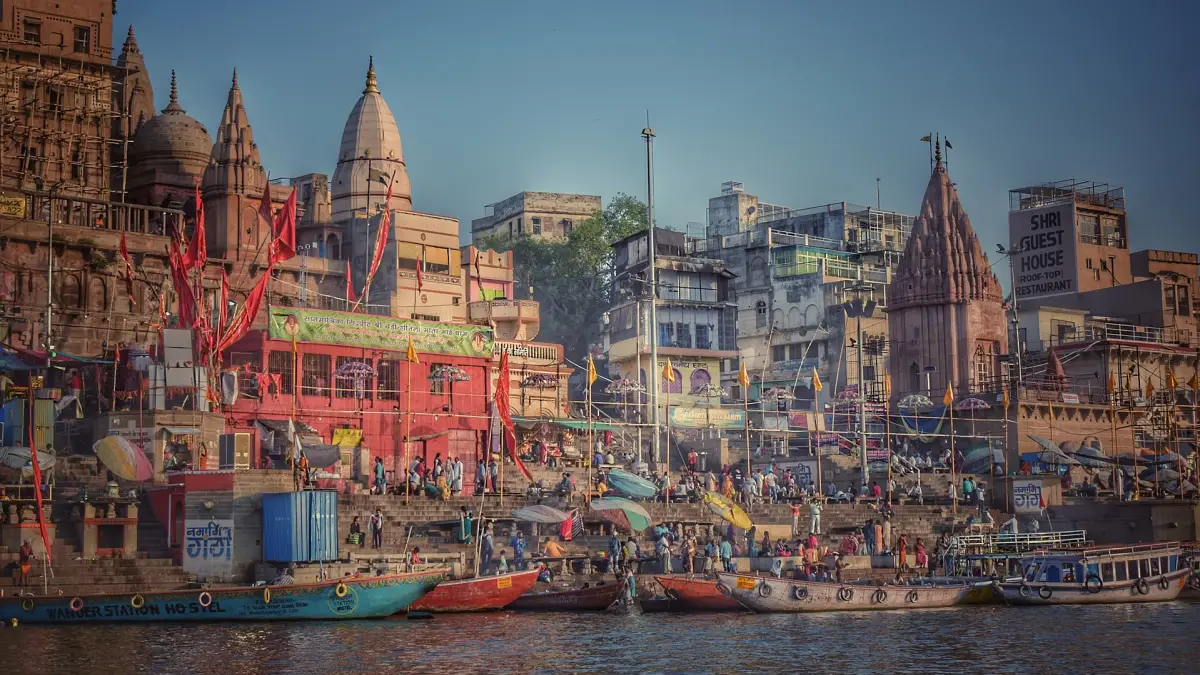 LOCAL EXPERIENCE
Its a 3 Nights and 4 Days tour around three diffrent cities of India. Its a 3 days complete religious tour package with the view of Triveni Sangam at Prayagraj.
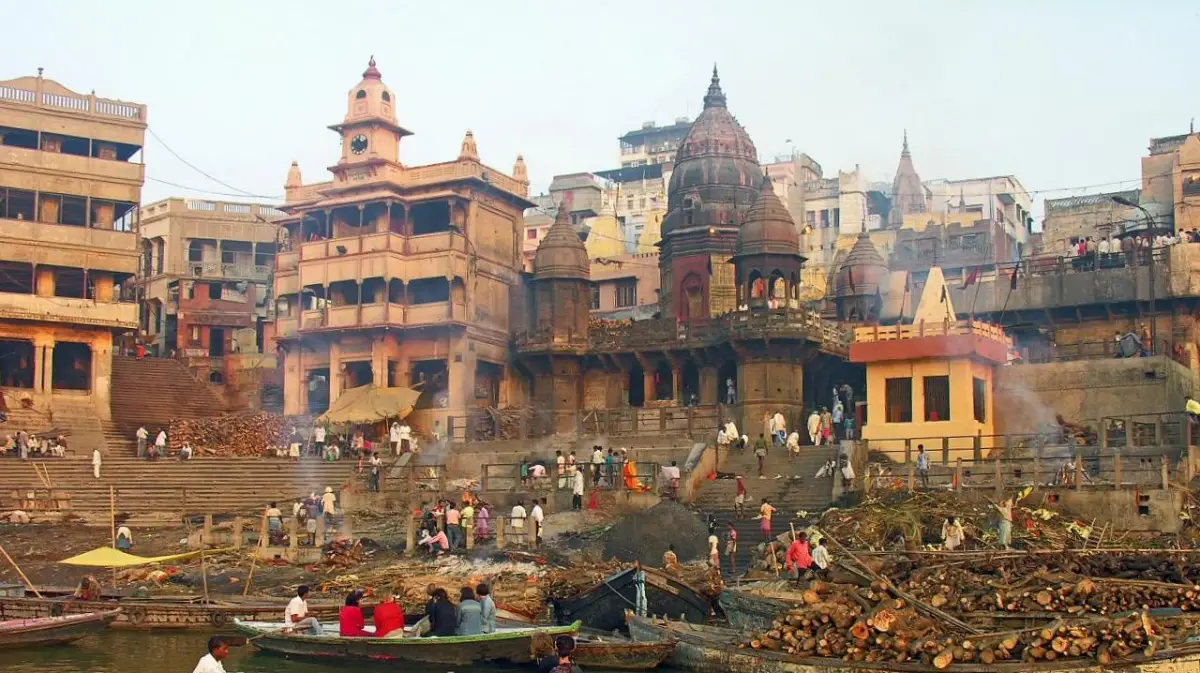 LOCAL EXPERIENCE
Its a 4 Night and 5 Days tour package around three religious cities of India.
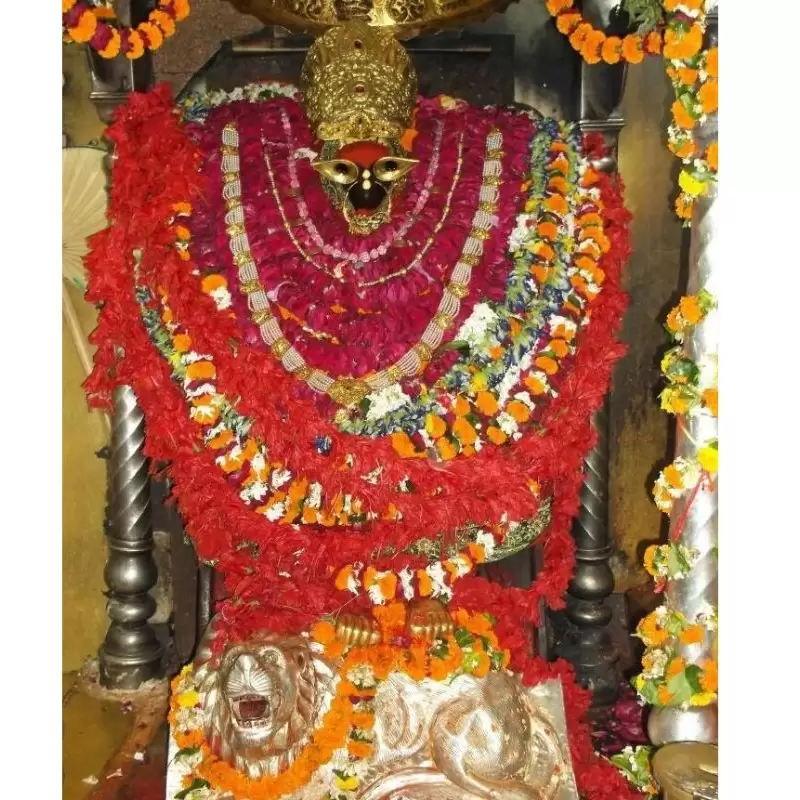 LOCAL EXPERIENCE
Maa Vindhyavasini Devi temple located in the town of Vindhyachal is one of the Shaktipeeths.
LUXURY
It's a 2 Night 3 Days holiday package designed for those people who have limited time but want to relax at the luxury hotels traveling by flights at an economic cost.
 5.0
 LUXURY
It's a 2 Night 3 Days holiday package for those people who want to experience the jungle safari packages staying at the luxury resorts traveling by flights at an economic cost.
 TREKKING
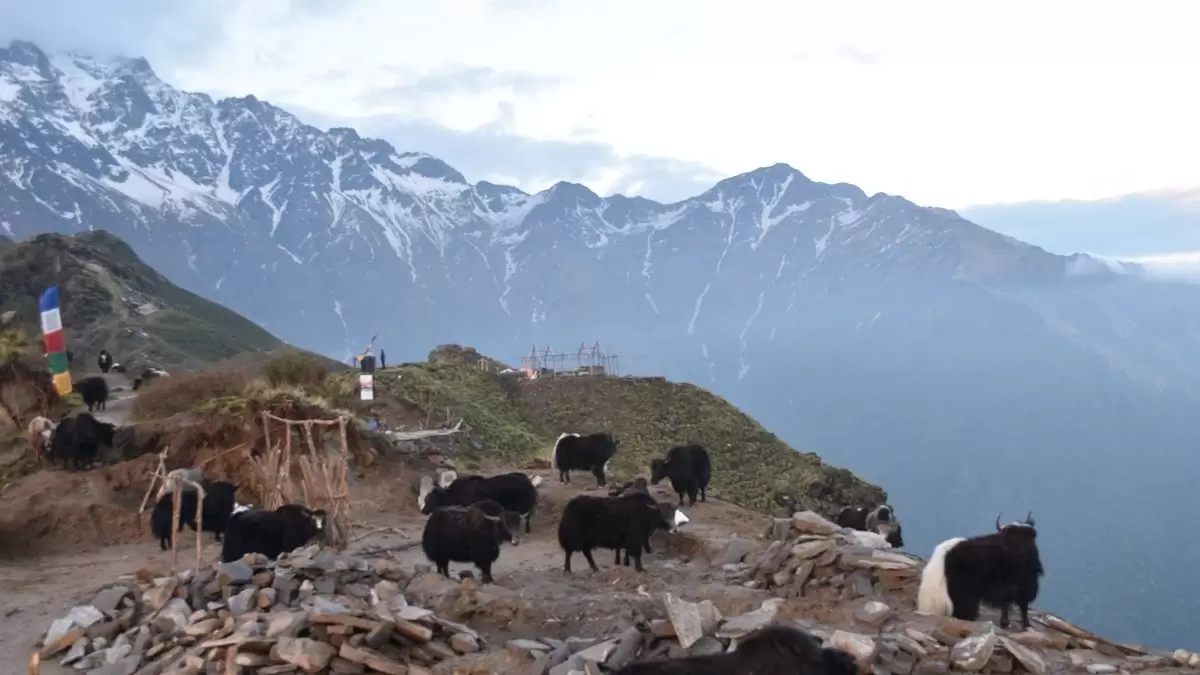
Mardi Himal Trek is one of the most popular trekking routes in Annapurna Region. This 6 Days Mardi Trek itinerary is specially designed for the trekkers who wanted to see the mountains clearly but are restricted time-wise.
0987654324567890-